A commercial vehicle wrap isn’t just a design upgrade, it’s an investment. When branding a company vehicle or even an entire fleet, you want to know one thing before committing:
Will it last and is it worth it?
In Greenville and across the Upstate, businesses rely on vehicle wraps as long-term mobile advertising. Drivers choose wraps to stand out on the road and generate leads. But longevity directly impacts return on investment.
If you’re considering custom car wraps, truck wraps, van wraps, or fleet branding, understanding how long a vehicle wrap lasts helps you make a smarter decision, protect your vehicle, and maximize marketing performance.
From our Greer location, we proudly serve businesses and drivers throughout Greenville and the greater Upstate region. Here’s everything you need to know.
What Is a Vehicle Wrap?
A vehicle wrap is a high-performance vinyl film and UV laminate applied directly over your vehicle’s painted surface. Depending on the design and coverage, a vehicle wrap can:
- Add custom graphics or branding
- Turn your vehicle into mobile advertising
- Protect original paint from minor scratches and UV damage
Unlike paint, wraps are removable, making them ideal for commercial branding and mobile advertising.
Why Vehicle Wrap Lifespan Matters
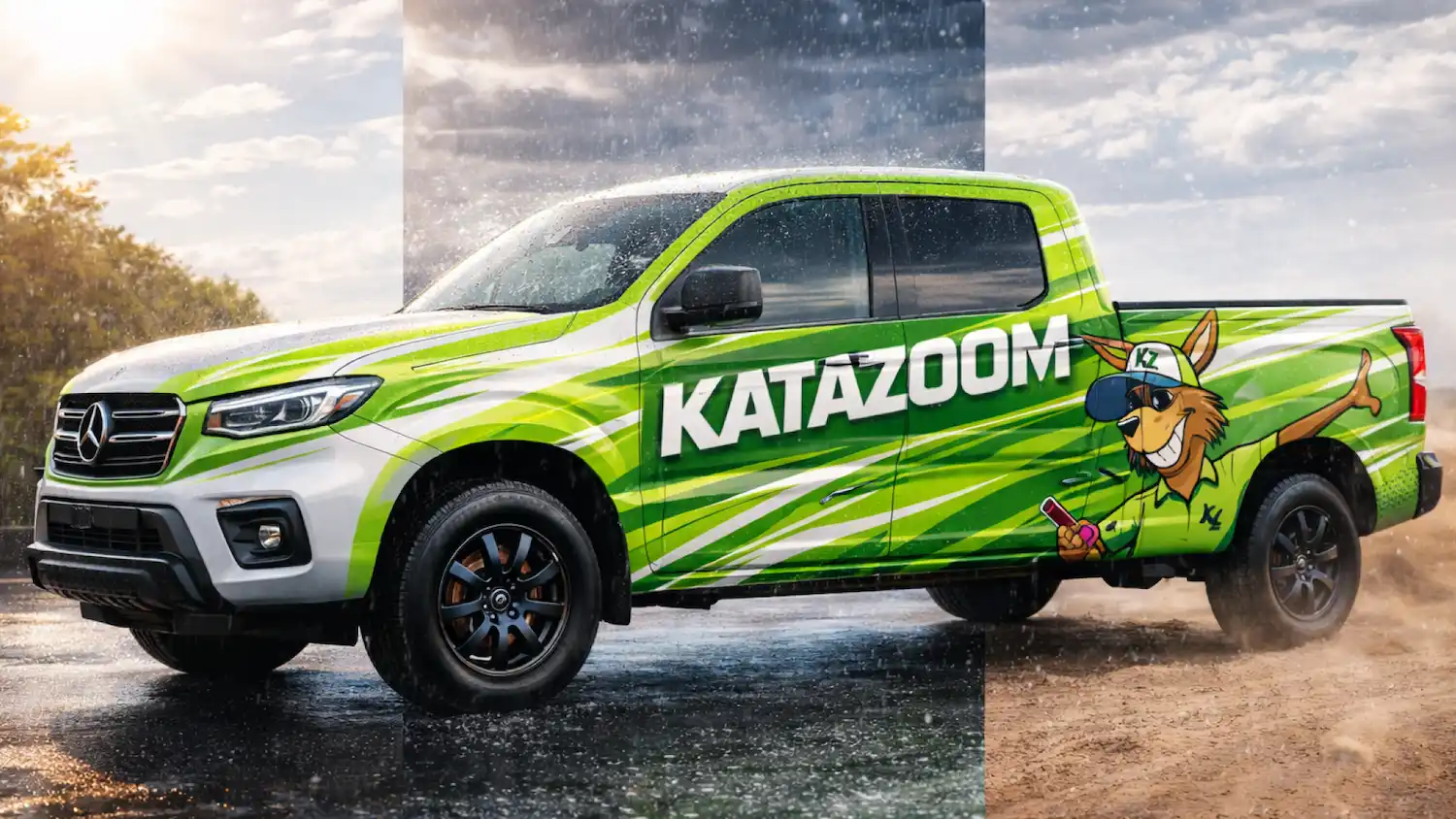
When businesses invest in vehicle wraps, they’re not just improving appearance, they’re investing in a long-term marketing strategy with high ROI.
A professionally installed wrap can generate thousands of impressions daily throughout Greenville and nearby areas. For commercial vehicles especially, longevity directly impacts cost-per-impression and overall marketing efficiency.
Average Lifespan of a Quality Vehicle Wrap
A professionally installed, premium vinyl wrap typically lasts: 5–7 Years (With Proper Care)
This applies to most full wraps installed using high-grade cast vinyl and professional installation techniques.
Most high-performance vehicle wraps are manufactured using premium cast vinyl plus cast lamination from industry leaders such as 3M and Avery Dennison. These manufacturers engineer wrap films specifically for long-term outdoor exposure, superior UV resistance, and minimal shrinkage. Choosing proven materials significantly improves wrap durability and color retention in South Carolina’s climate.
However, actual lifespan depends on:
- Vinyl material quality
- Installation expertise
- Greenville’s climate conditions
- Driving habits
- Maintenance routine
Let’s break these down further.
Lifespan Based on Wrap Type & Finish
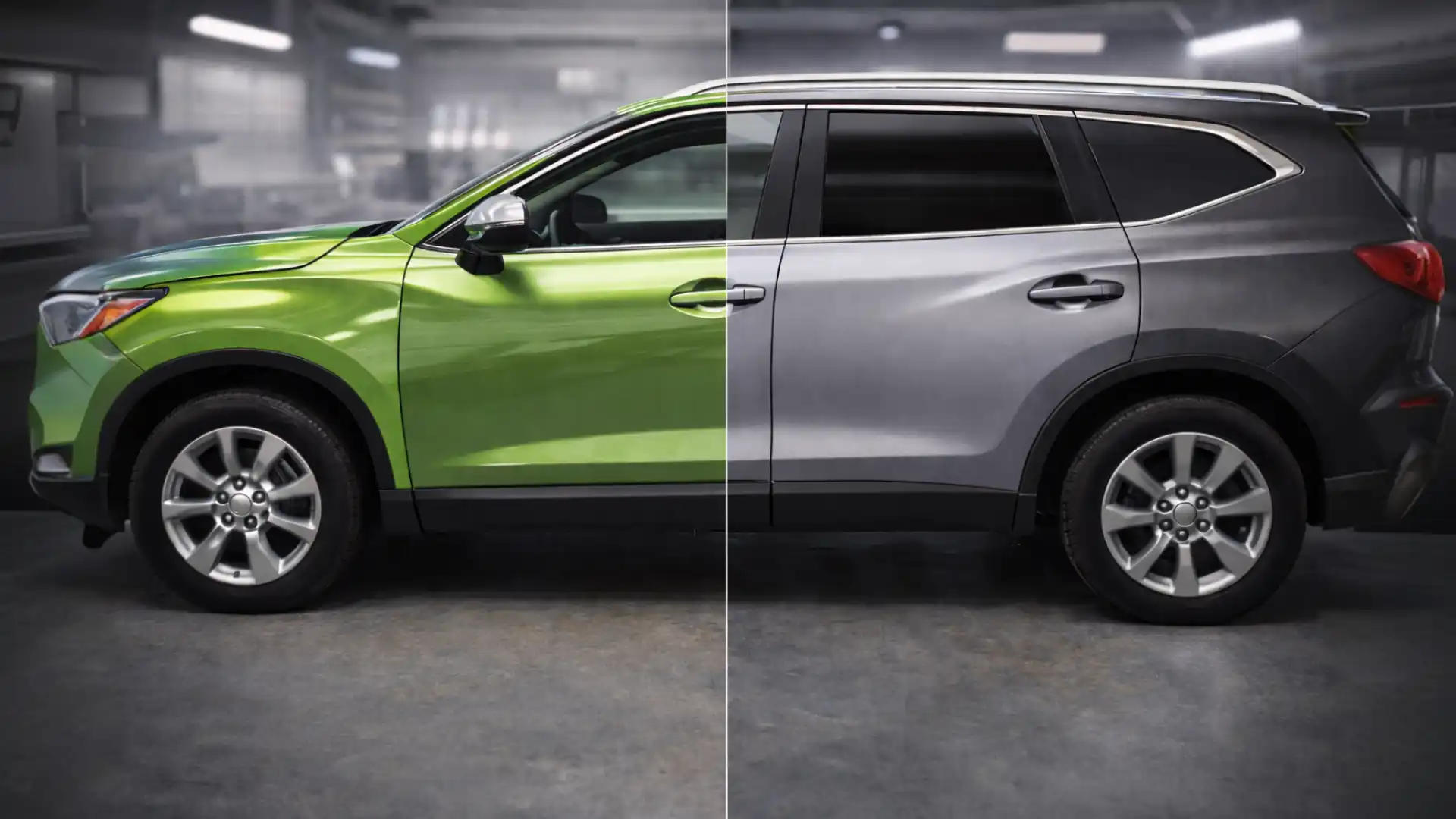
Although all professional wraps are made from vinyl, different finishes offer different durability ranges.
Here’s a general industry guideline:
| Wrap Type | Average Lifespan |
| Premium Cast Vinyl (Gloss/Satin) | 5–7 Years |
| Matte Vinyl | 4–6 Years |
| Carbon Fiber / Metallic | 3–5 Years |
| Chrome & Specialty | 1–3 Years |
| Commercial Printed Wraps | 4–6 Years |
Why the difference?
- Premium cast vinyl offers superior UV resistance and minimal shrinkage.
- Matte and textured films may show wear slightly sooner due to surface composition.
- Chrome and specialty finishes are more sensitive to heat and sun exposure.
Material choice plays a major role in long-term performance.
Lifespan by Vehicle Type
Different vehicles experience different levels of wear.
Personal Cars
Personal vehicles typically last the longest because they are often parked indoors and driven less aggressively.
Typical lifespan: 5–7 years
Work Trucks
Exposed to job sites, highway debris, and frequent washing.
Typical lifespan: 4–6 years
Service Van
Service vans are used daily by contractors, HVAC companies, plumbers, and delivery services.
Typical lifespan: 4–6 years, depending on mileage and exposure.
Fleet Vehicles
Fleet vehicles accumulate high mileage and frequent cleaning cycles.
Typical lifespan: 4–6 years
Many businesses choose to refresh their fleet wraps earlier for branding updates rather than material failure.
Cast Vinyl vs. Calendared Vinyl: Why Material Quality Matters
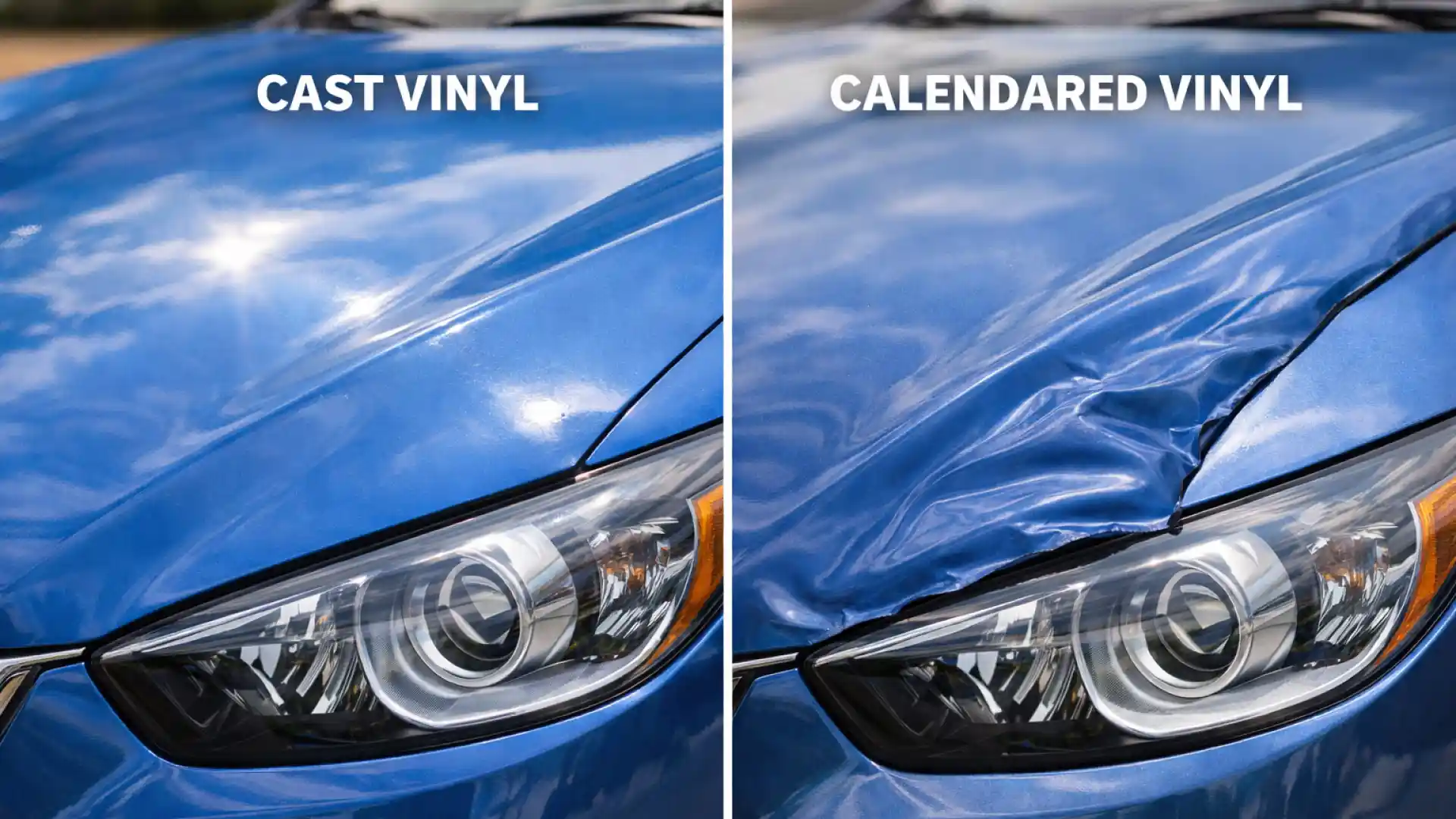
Not all vinyl is created equal. The type of material used plays a major role in how long your wrap lasts, how well it conforms to your vehicle, and how it performs in Greenville’s climate.
Premium Cast Vinyl (Best for Long-Term Vehicle Wraps)
Cast vinyl is the gold standard for full vehicle wraps because of its durability and flexibility.
- Highly conformable to curves
- Thin and highly conformable to complex curves
- Superior UV resistance
- Minimal shrinkage over time
- 5–7 year lifespan
Cast Vinyl – Best For: Full wraps, complex surfaces, and long-term commercial branding.
Calendared Vinyl (Short-Term Option or Budget Option)
Calendared vinyl is thicker and less flexible than cast vinyl. While more affordable, it is not designed for complex curves or long-term full wraps.
- Thicker, less flexible
- Better for flat surfaces
- More prone to shrinkage over time
- 2–4 year lifespan
Calendared Vinyl – Best For: Temporary promotions, simple graphics, and budget-focused projects.
Which One Should You Choose?
- If you want maximum durability, professional appearance, and better long-term performance in Greenville’s climate, cast vinyl is the superior investment.
- If your project is temporary or applied to simple flat surfaces, calendared vinyl can be a cost-effective alternative.
- Material quality directly impacts wrap lifespan. When it comes to full vehicle wraps, investing in professional-grade cast vinyl ensures longer performance, stronger adhesion, and better long-term value.
How Greenville’s Climate Impacts Wrap Durability
Local driving conditions and environmental exposure play a significant role in vehicle wrap longevity throughout Greenville and the Upstate.
South Carolina’s humid summers, strong UV exposure, and temperature fluctuations can gradually affect vinyl performance if a vehicle is parked outdoors daily. Extended sun exposure can accelerate fading on horizontal surfaces like hoods and roofs, while humidity and airborne contaminants may impact edges if not properly maintained. Professional installation combined with routine care helps counter these environmental factors.
Vehicles frequently traveling along I-85, through downtown Greenville, construction zones, and high-traffic commercial areas may experience:
- Road debris impact
- Brake dust buildup
- Environmental contaminants
- Increased sun exposure
Over time, these factors can slightly reduce a wrap’s lifespan, particularly on high-impact areas such as front bumpers, side mirrors, and rocker panels.
Routine cleaning and proper maintenance significantly help extend the life and appearance of your vehicle wrap.
How to Extend the Life of Your Vehicle Wrap
If you want to maximize your wrap’s lifespan, follow these best practices:
- Hand wash regularly
- Avoid automatic brush car washes
- Use wrap-safe cleaning products
- Remove bird droppings and tree sap quickly
- Park in shaded areas when possible
- Consider a wrap-safe ceramic coating
Consistent care can add years to your wrap’s appearance
Signs Your Vehicle Wrap May Need Replacement
Even high-quality wraps eventually show wear. Look for:
- Edge lifting
- Fading or discoloration
- Fading graphics
- Cracking in high-flex areas
- Peeling near door handles
- Loss of gloss
For commercial vehicles, maintaining a clean and professional appearance is essential for brand credibility
Can a Vehicle Wrap Be Removed Safely?
Yes, One major advantage of wraps is removability.
When installed on factory paint and removed correctly within their recommended lifespan, the original paint is typically preserved and protected. This helps maintain resale value.
However, leaving a wrap on significantly beyond its intended lifespan may make removal more labor-intensive.
Why Professional Installation Makes All the Difference
Wrap lifespan is heavily influenced by installation quality.
Poor installation leads to:
- Early peeling
- Edge lifting
- Air bubbles
- Premature fading
Proper surface preparation, temperature control, and post-heating techniques ensure strong adhesion and long-term performance.
ROI: Why Vehicle Wraps Are a Smart Investment in Greenville
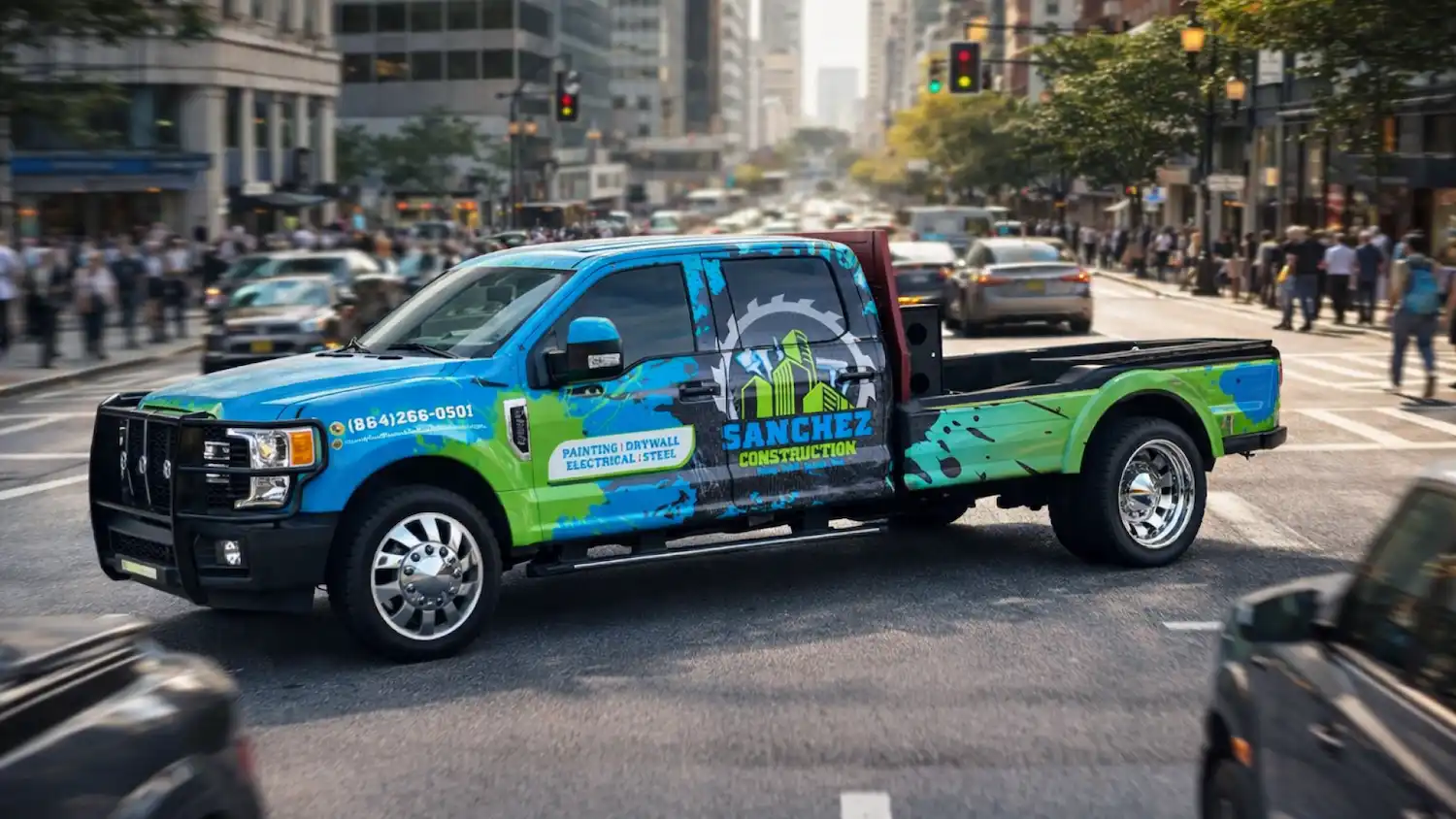
Compared to traditional advertising:
- Billboards require monthly payments
- Digital ads stop when the budget ends
- Radio ads are temporary
A vehicle wrap turns your car, truck, or van into a long-term mobile advertisement.
For businesses operating throughout Greenville, Simpsonville, Mauldin, Taylors, Greer, and Spartanburg, wraps provide one of the most cost-effective branding solutions available.
Serving Greenville from Our Greer Location
While our shop is located in Greer, SC 29651, we proudly serve:
- Greenville
- Simpsonville
- Mauldin
- Taylors
- Greer
- Spartanburg
- The greater Upstate region
Our proximity allows efficient turnaround times and personalized service for local businesses.
So, How Long Do Vehicle Wraps Last in Greenville?
In Greenville and across the Upstate, a professionally installed vehicle wrap typically lasts four to seven years, depending on the vehicle type, material quality, usage, and maintenance. Personal vehicles often reach the higher end of that range, while high-mileage commercial trucks and fleet vehicles may experience slightly shorter lifespans due to constant exposure.
With premium cast vinyl, expert installation, and proper care, a vehicle wrap remains vibrant, protective, and visually impactful for years, making it not just a design upgrade, but a long-term branding investment that continues working every time you’re on the road.